Transportation Cost Reduction Tactics
Discover practical strategies to slash your commuting expenses in Canada. From public transit optimization to carpooling networks, learn how thousands of Canadians are reducing transportation costs by 40-60% annually while maintaining mobility and flexibility.
The True Cost of Daily Commuting in Canada
Transportation is often the second-largest expense for Canadian households after housing. The average Canadian spends between $8,000-$12,000 annually on vehicle ownership, fuel, insurance, and maintenance. In major cities like Toronto, Vancouver, and Montreal, commuters add parking fees, tolls, and transit passes to this already substantial burden.
What makes this challenge particularly acute is that many Canadians feel locked into their current transportation habits. They view car ownership as inevitable, public transit as unreliable, or carpooling as impractical. However, the reality is far more nuanced. Strategic transportation choices can dramatically reduce costs without sacrificing convenience or quality of life.
The key is understanding your specific commute patterns and available alternatives. By systematically evaluating options and combining multiple tactics, most Canadian commuters can achieve significant savings within just three months.
Maximize Public Transit Benefits
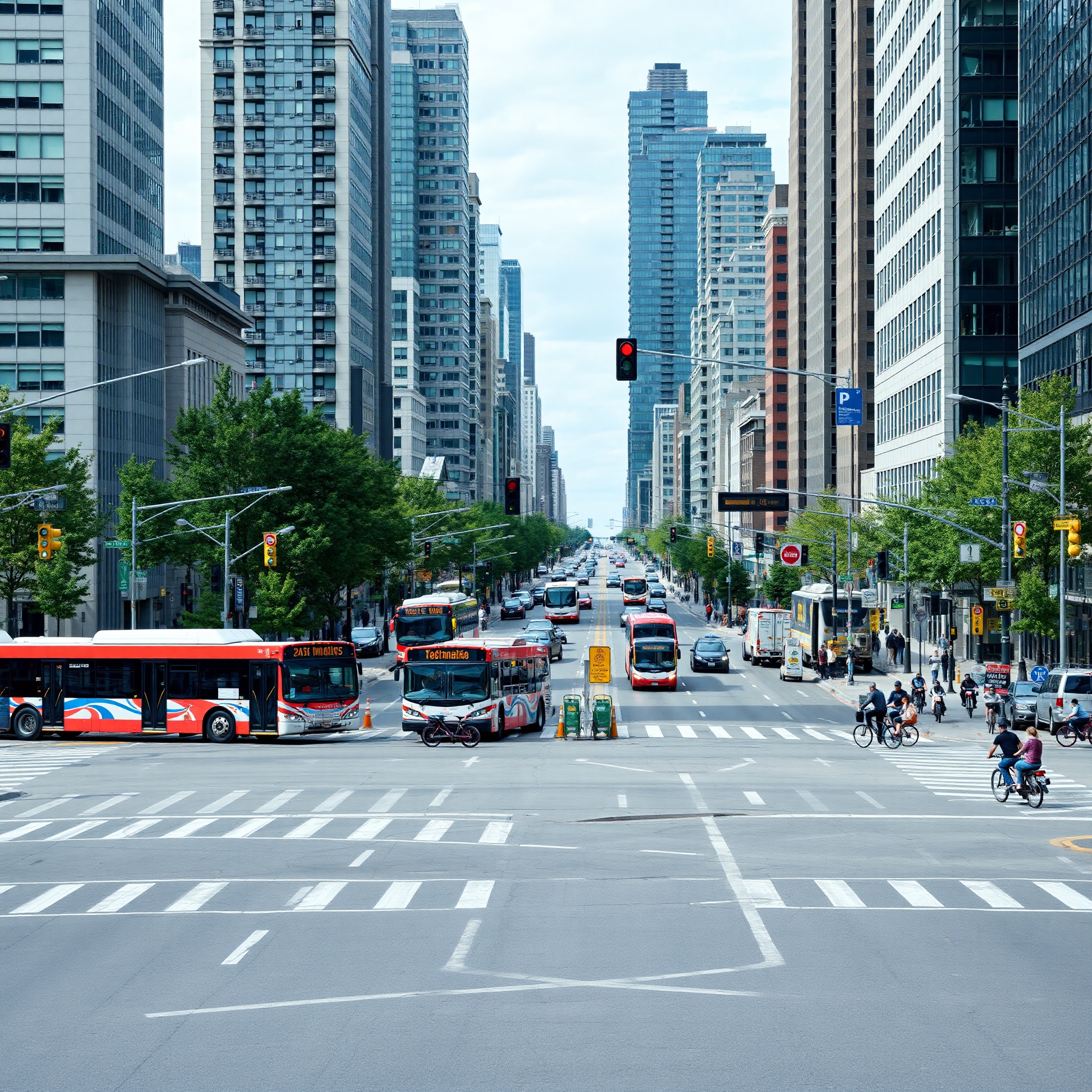
Public transit is frequently underutilized in Canada, yet it represents one of the most cost-effective commuting options. A monthly transit pass in Toronto costs approximately $156, compared to $400+ in monthly vehicle operating costs. However, maximizing these benefits requires strategic planning.
Employer Transit Programs
Many Canadian employers participate in transit subsidy programs, yet 40% of eligible employees don't claim these benefits. Investigate whether your employer offers:
- Pre-tax transit pass purchases (reducing taxable income)
- Direct employer subsidies (partial or full pass coverage)
- Flexible spending accounts for commuting expenses
- Vanpool partnerships with transit agencies
Simply claiming an employer transit subsidy can save $50-$150 monthly through tax benefits alone, regardless of which transit option you choose.
Multi-Modal Commuting
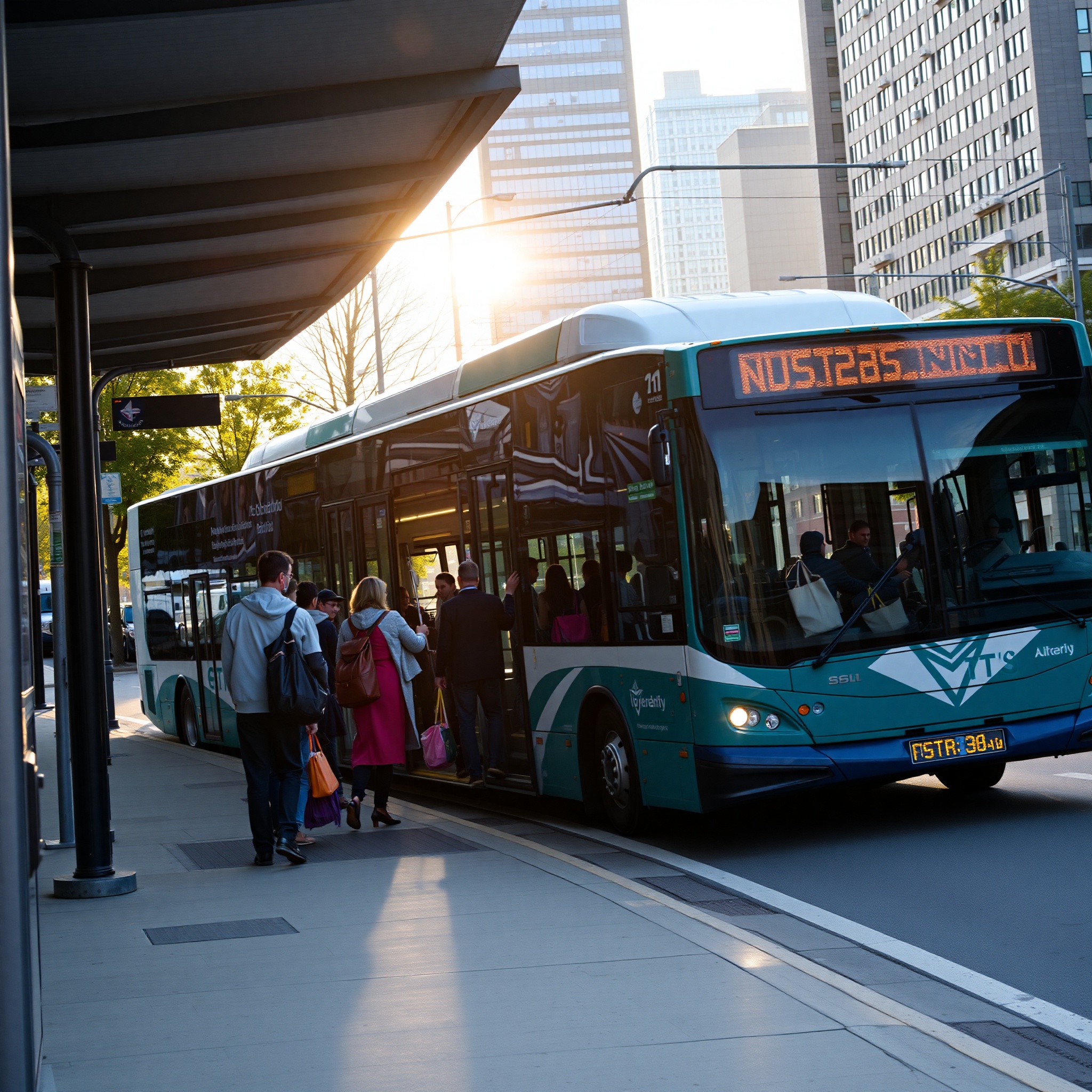
The most efficient Canadian commuters don't rely on a single transportation mode. Instead, they combine:
- Bike or walk to transit station (eliminating parking fees)
- Transit for main commute distance
- Walk or micro-mobility from transit to destination
This approach eliminates parking ($150-$300/month in downtown areas), reduces wear on vehicles, and often decreases total commute time compared to driving alone.
Carpooling and Ride-Sharing Strategies
Carpooling transforms vehicle ownership from a solo cost burden into a shared expense. Four commuters splitting gas and wear costs reduce individual transportation expenses by 70-80% compared to solo driving. The challenge is finding reliable carpool partners and establishing fair cost-sharing systems.
Formal Carpool Networks
Platforms like Commuter Express (available in most provinces) connect commuters with matching schedules. Benefits include:
- Vetted participants for safety and reliability
- Flexible scheduling (3-5 days weekly)
- HOV lane access in many provinces
- Average savings: $200-$300/month
Workplace Carpool Groups
Connect with colleagues through:
- Internal company communication boards
- HR-facilitated carpool matching programs
- Informal lunch group conversations
- Professional association networks
Workplace carpools are often most successful due to shared schedules and professional accountability.
Fair Cost Distribution
Establish transparent cost-sharing:
- Calculate actual fuel costs (not guesses)
- Include vehicle wear (0.30-0.35/km standard)
- Monthly settlement via digital payment
- Driver benefits fairly compensated
Legal Considerations
Protect all participants:
- Written carpool agreement (cost-sharing terms)
- Insurance verification (passenger coverage)
- Emergency contact procedures
- Contingency plans (driver absence protocol)
Alternative Transportation Methods
Beyond traditional transit and carpooling, Canadian commuters have access to increasingly sophisticated alternatives. These options work particularly well for shorter distances (under 10km) or for partial-commute segments.
Cycling and E-Bikes
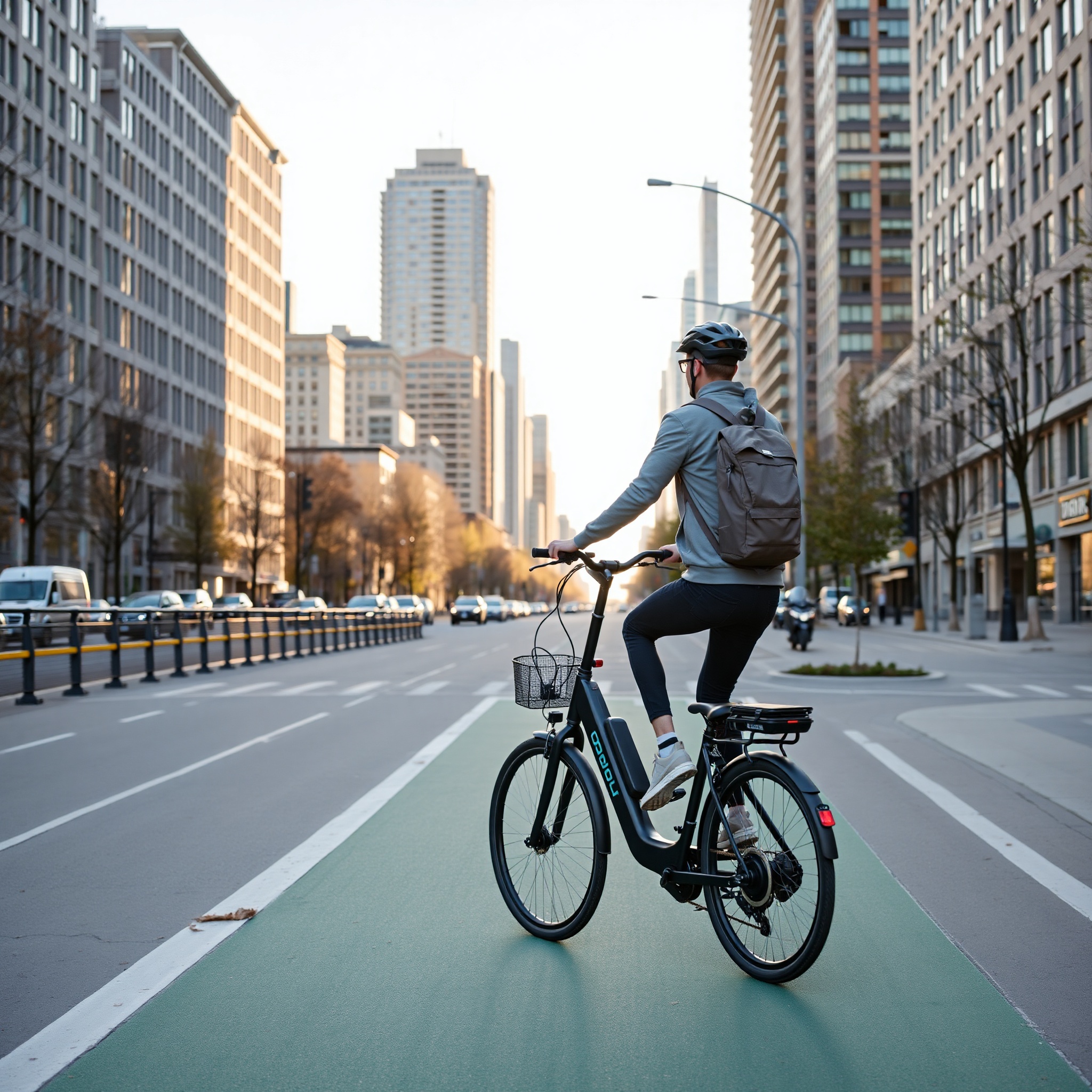
Electric bikes have revolutionized cycling feasibility in Canada, particularly in winter regions:
- Initial investment: $1,500-$3,000 (amortized over 5 years)
- Annual operating cost: $150-$300 (maintenance, electricity)
- Suitable distance: 2-15km commutes
- Health benefits: Average 30 minutes moderate activity daily
- Weather management: Fat tires, fenders, lights handle Canadian winters
Many Canadian cities now offer bike infrastructure grants and tax credits for e-bike purchases, reducing initial costs by 25-40%.
Micro-Mobility Solutions
Scooters, skateboards, and other micro-mobility devices are excellent for "last-mile" connections:
- E-scooter rentals: $5-$15/trip (Toronto, Vancouver, Montreal)
- Personal e-scooter: $400-$800 initial cost
- Ideal use case: Transit station to workplace (1-3km)
- Time savings: 5-10 minutes vs. walking
- Cost comparison: $15/month vs. $100+ monthly parking
Walking as Primary Transport
For commutes under 2km, walking is frequently faster than driving when parking time is included. Additional benefits:
- Zero direct cost
- 30 minutes daily exercise (eliminates gym need)
- Mental health improvement (stress reduction documented)
- Weather preparation: Appropriate clothing and footwear critical
- Safety planning: Well-lit routes, reflective gear, pedestrian awareness
Optimize Vehicle Operating Costs
If vehicle ownership remains necessary for your situation, strategic optimization can reduce costs significantly. Most vehicle owners leave 20-30% in savings on the table through preventable expenses and inefficient practices.
Fuel Efficiency Tactics
- Tire pressure: Underinflated tires reduce efficiency 3-5% (check monthly)
- Aggressive driving: Speeding increases fuel consumption 15-20% (maintain 100-110 km/h highway)
- Idling: Modern cars consume 0.25L per 10 minutes idling (turn off for waits over 30 seconds)
- Vehicle weight: Remove unnecessary cargo (100lbs reduces efficiency 1-2%)
- Route optimization: Plan efficient routes using real-time traffic apps
Combined implementation can reduce fuel consumption by 20-30%, saving $40-$60 monthly.
Insurance Cost Reduction
- Usage-based insurance: Telematics programs offer 10-30% discounts for safe driving
- Higher deductibles: Increasing from $500 to $1,000 reduces premiums 15-25%
- Annual shopping: Rates vary 40-50% between insurers (compare yearly)
- Bundling: Home + auto packages save 15-20%
- Reduced mileage: Commuting less than 15,000km annually qualifies for low-mileage discounts
Average annual insurance savings: $300-$500 through optimization.
Maintenance Cost Control
- Preventive maintenance: Regular oil changes ($50) prevent $2,000+ engine damage
- DIY maintenance: Wiper blades, air filters, light bulbs save $200-$400 annually
- Independent mechanics: Average 30-40% cheaper than dealerships for same quality
- Extended warranty evaluation: Most cars under 10 years need minimal unexpected repairs
- Seasonal preparation: Winter tire changeover costs $100-$150 but prevents accidents and wear
Vehicle Replacement Strategy
- Reliability research: Toyota/Honda depreciate slower but save $1,500+ in repairs annually
- Age sweet spot: 3-5 year old used vehicles offer reliability + 30-40% depreciation savings
- Hybrid consideration: 15-20% higher purchase cost offset by 40% fuel savings over 5 years
- Fuel type: Diesel costs 5-10% more but provides 25-35% better fuel economy
- Warranty coverage: Extended warranties on used vehicles cost $1,500 but provide peace of mind
Create Your Transportation Reduction Plan
Successful cost reduction requires a structured approach. Rather than implementing everything simultaneously, strategic phasing allows you to test changes and identify what works best for your lifestyle and budget.
Phase 1: Audit & Quick Wins (Week 1-2)
Time investment: 3-5 hours | Expected savings: $50-$150/month
- Calculate current transportation spending (all categories)
- Check employer transit subsidies and benefits
- Review insurance policy for discount opportunities
- Optimize vehicle maintenance schedule
- Test public transit during peak commute
Phase 2: Test Alternatives (Week 3-6)
Time investment: 2-3 weeks trial | Expected savings: $100-$300/month
- Commit to public transit 2-3 days weekly
- Connect with potential carpool partners
- Rent e-bike to assess cycling feasibility
- Establish multi-modal commute route
- Track actual expenses vs. previous month
Phase 3: Optimize & Sustain (Week 7+)
Time investment: Monthly review | Expected savings: $200-$500/month
- Establish permanent carpool arrangement
- Purchase e-bike or commit to transit fully
- Implement insurance optimization changes
- Adjust vehicle usage patterns
- Track monthly savings and adjust as needed
Expense Tracking Framework
Maintain a simple spreadsheet tracking:
- Monthly fuel costs (calculate per km)
- Insurance, registration, maintenance expenses
- Transit pass and parking fees
- Unexpected vehicle repairs
- Commute time (hours spent traveling)
Review monthly to identify patterns and optimization opportunities. Most people discover 2-3 additional savings categories they hadn't previously considered.
Start Your Transportation Savings Journey Today
Transportation cost reduction isn't about sacrifice—it's about intelligent choice-making. Canadian commuters successfully implementing these tactics report not just financial savings, but also reduced stress, improved health, and more time for meaningful activities.
The average commuter achieves $200-$400 monthly savings through a combination of these tactics, equaling $2,400-$4,800 annually. Over a decade, this represents $24,000-$48,000 in recovered financial resources—funds that can accelerate debt repayment, build emergency reserves, or support long-term financial goals.
Your specific savings potential depends on current transportation costs, commute distance, and available alternatives in your area. Start with the audit phase, test what resonates with your lifestyle, and build your sustainable transportation strategy from there. The best transportation plan is one you'll maintain consistently, not one that feels burdensome.
Key Takeaways
- Public transit and employer subsidies are often underutilized savings sources
- Carpooling reduces individual costs 70-80% compared to solo driving
- E-bikes make cycling feasible for Canadian winters and longer distances
- Vehicle optimization prevents waste without requiring major lifestyle changes
- Multi-modal commuting (combining transit, cycling, walking) is often fastest and cheapest
- Phase implementation gradually for sustainable habit formation
- Track expenses monthly to maintain awareness and motivation
Explore More Money-Saving Strategies
Discover additional ways to optimize your daily expenses and build financial stability.

Smart Budget Planning for Canadian Families
Learn how Canadian families reduce monthly expenses by up to 30% using strategic budgeting frameworks, category prioritization, and proven tracking systems.

Grocery Shopping Strategies to Save Money
Discover proven tactics for reducing grocery bills in Canada through smart shopping, meal planning, seasonal buying, and strategic coupon usage.
Cutting Utility Costs in Your Canadian Home
Explore practical ways to reduce heating, electricity, and water bills through smart technology, behavioral changes, and infrastructure optimization.